Before You Rebuild: Why Contractor-Ready Remediation Matters After a Basement Flood
StateHill responded swiftly to deliver meticulous Category 3 flood remediation in Ottawa. By performing precision flood cuts, removing wet insulation, and guiding clients through proper trade sequencing, we prepare damaged basements for a clean, cost-effective, and contractor-ready reconstruction.
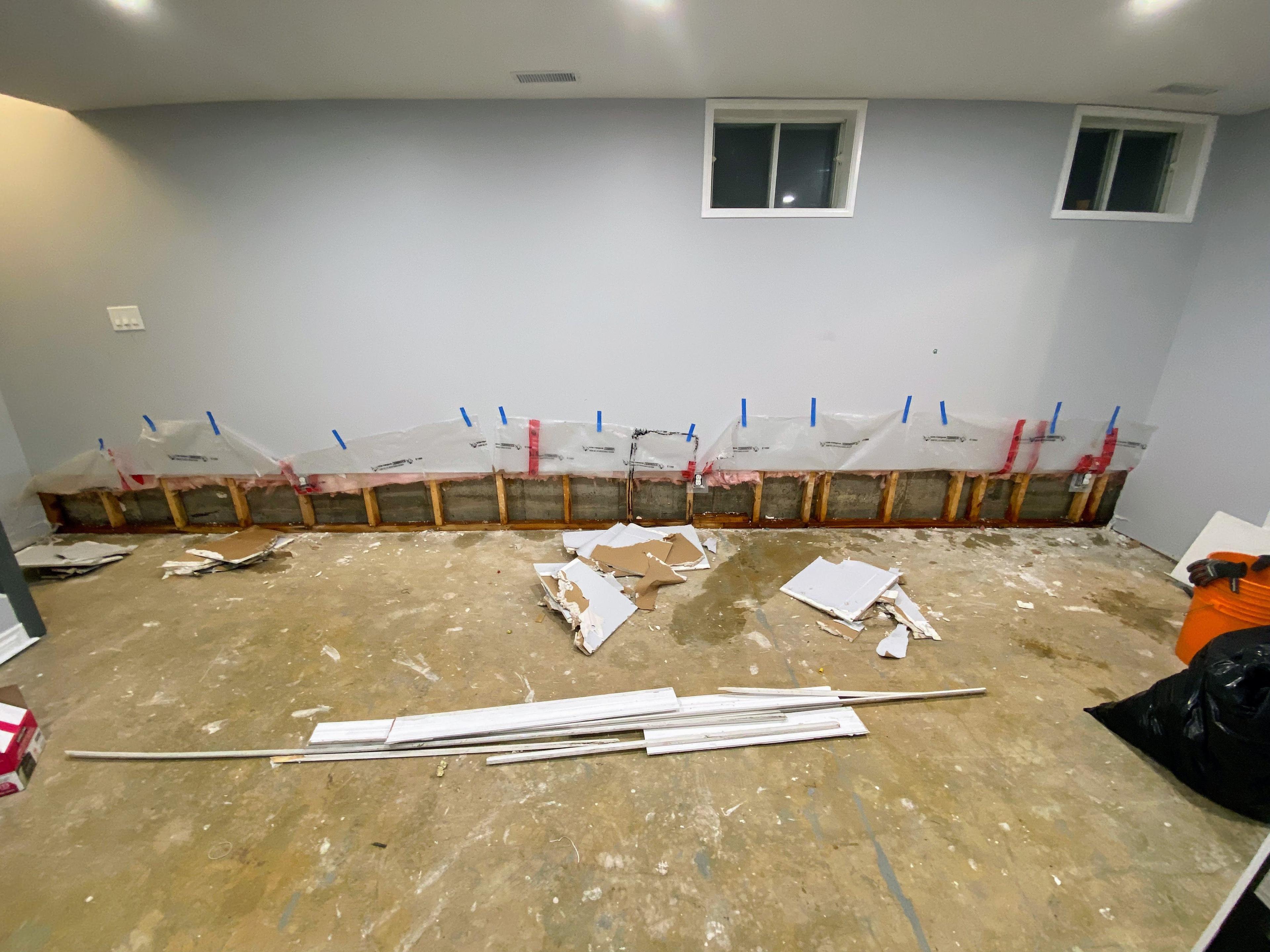
When the storm system slammed Ottawa on July 1st, municipal sewer systems and drainage infrastructure were pushed past their limits. Within hours, basements were inundated with contaminated Category 3 water.
For affected homeowners, seeing blackwater spill across finished living space is deeply distressing. However, the critical choices made in the 48 to 72 hours following the initial recession dictate whether reconstruction is smooth and cost-effective—or a protracted nightmare of hidden mold, structural degradation, and inflated trade costs.
1. Urgent Response & Precision Mold Tracking
Standing water combined with Ottawa’s humid summer weather creates the ideal incubator for micro-fungal growth. In less than 24 to 48 hours, active mold spores colonize damp drywall paper, organic cellulose in carpet backing, baseboards, and interior door jambs.
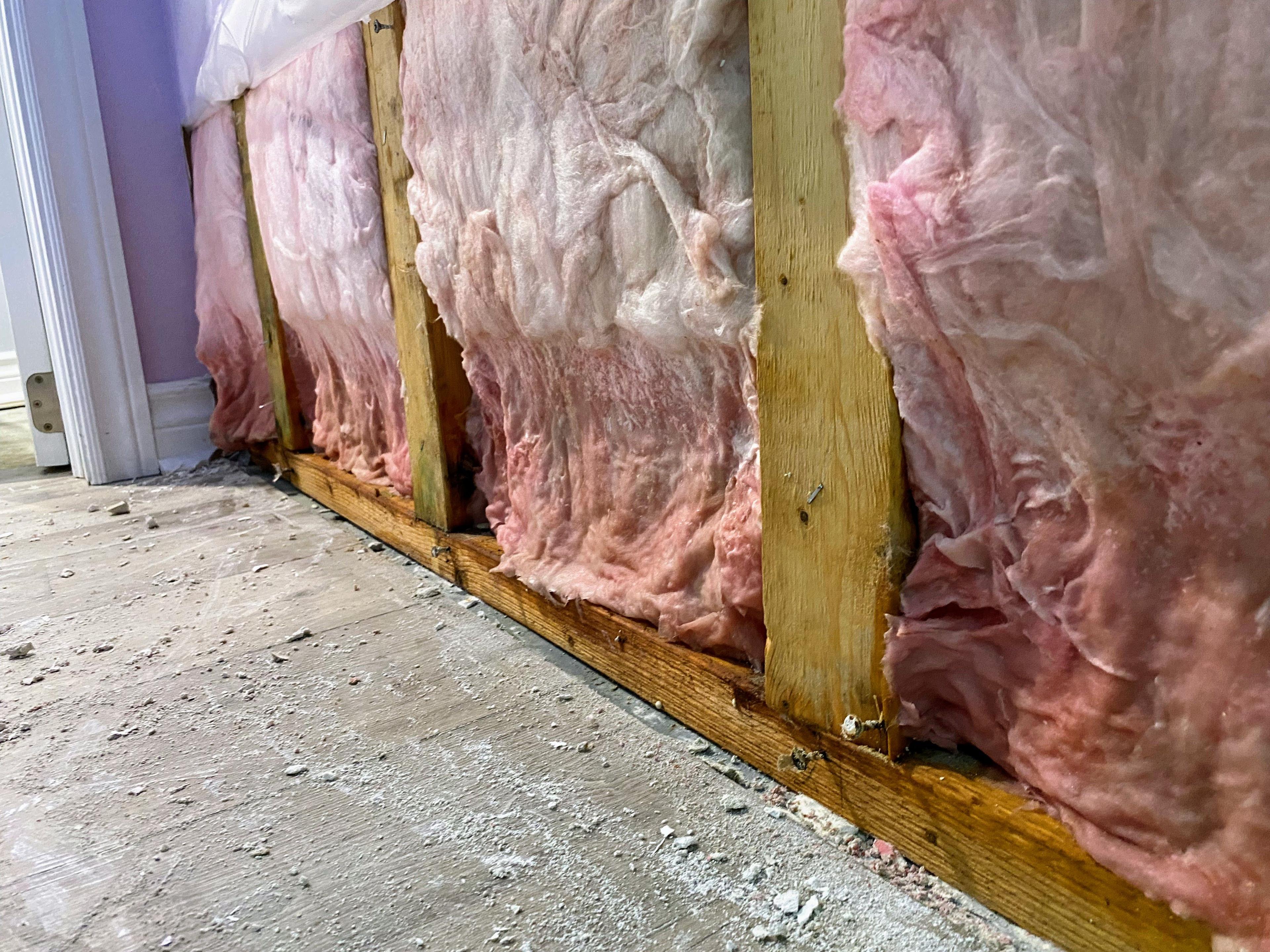
When StateHill was called to assist a Nepean family following the July 1st flood, we identified non-salvageable materials that are at high risk of mold growth—specifically wet drywall, saturated insulation battens, MDF baseboards, vulnerable door jambs and bathroom/laundry vanities. Identifying the exact perimeter of saturation prevented unnecessary removal of dry materials while guaranteeing no hidden mold was left behind to fester within wall cavities. We sprayed down surfaces with hospital-grade disinfectant and applied mold-inhibitor to wall cavities and wall plates and studs.
2. Surgical Demolition vs. Reckless Ripping
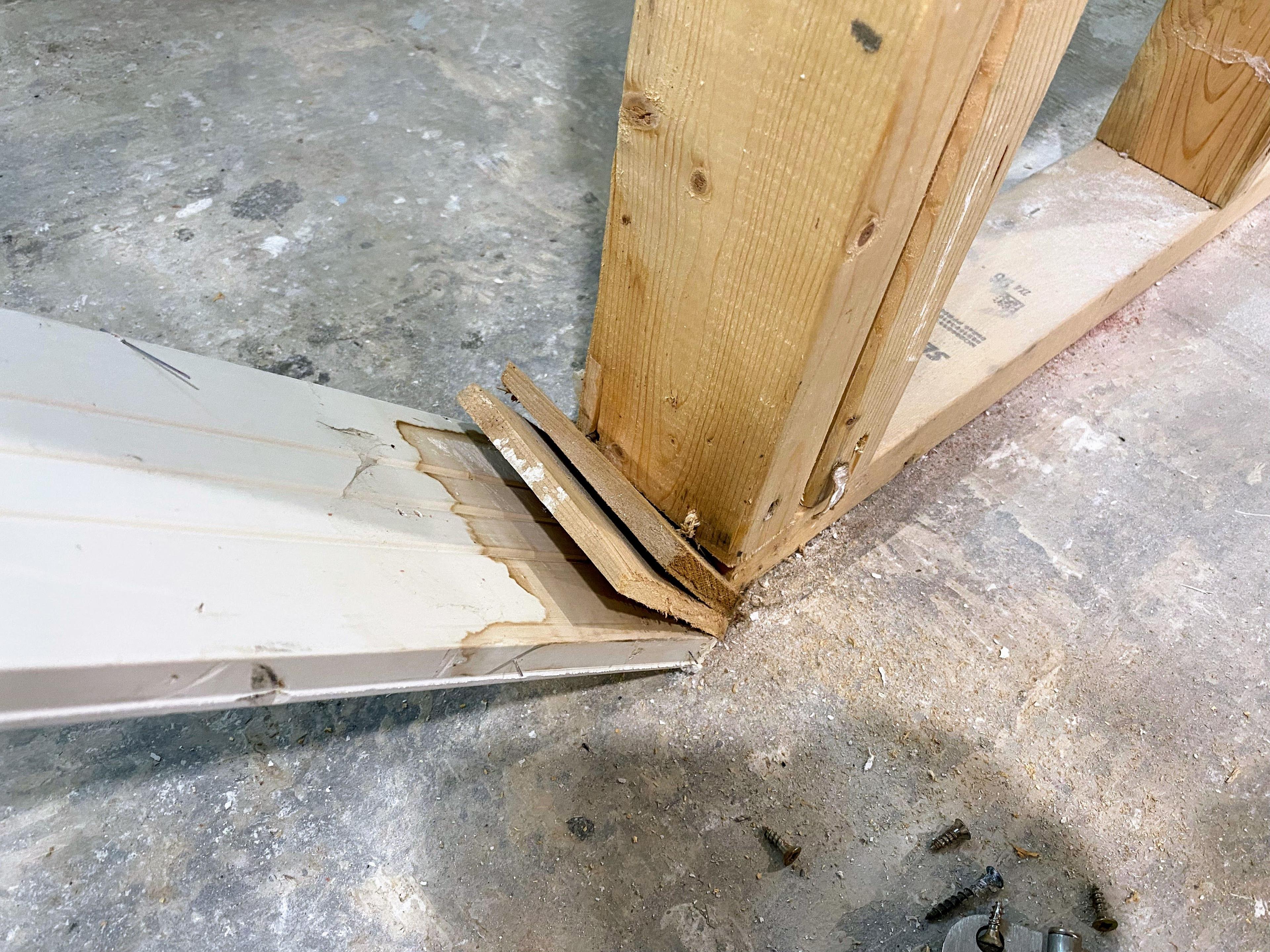
A common mistake during emergency flood cleanup is aggressive, uncoordinated demolition. Inexperienced crews often tear drywall haphazardly, leave jagged edges, bend studs, and leave behind a chaotic mess that tradespeople must later fix at high hourly rates.
At StateHill, we operate with a clear vision of the end goal: reconstruction.
- Clean, Laser-Straight Cuts: We set clean, horizontal flood cuts at standardized heights (anywhere from 16 inch to 4 feet). This allows us to slide in standard replacement sheets seamlessly without custom trimming.
- Fastener Removal: Crucially, our technicians spend the extra time meticulously pulling out every single rusted nail, staple, and drywall screw embedded in the exposed wall studs. Removing these hidden hazards prevents drywall misalignment, rust bleed-through, and injury during framing, insulation, and hanging.
3. Deep Cleaning, Microbial Decontamination & Drying
Demolition is only half the battle when dealing with Category 3 blackwater. Microscopic pathogens and fungal spores embed deeply into structural framing plates and concrete slab foundations. Once all contaminated materials were safely removed, we performed multi-stage microbial remediation:
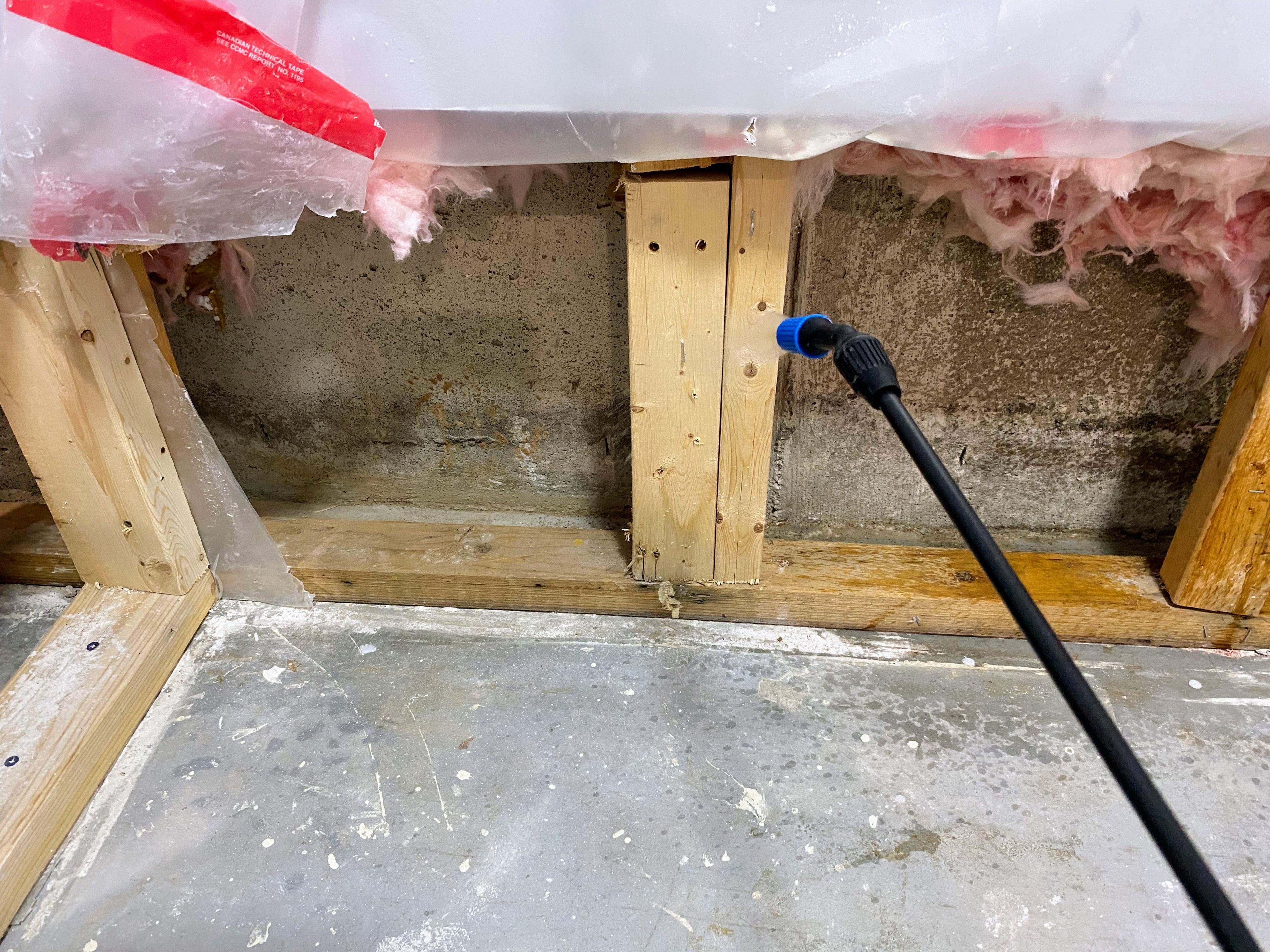
- Physical Substrate Scrubbing: Removing organic film and silt deposits from floor plates, wall studs, and concrete subfloors.
- Hospital-Grade Disinfection: Applying commercial-grade antimicrobials to destroy bacteria and eradicate residual fungal spores.
- HEPA Vacuuming & Air Scrubbing: Continuous negative air pressure scrubbing to extract airborne mold spores, dust, and particulate matter.
- Structural Dehumidification: Deploying industrial dehumidifiers and high-velocity air movers to bring framing timber below strict moisture equilibrium thresholds before sealing.
4. Operating with a Homeowner Mindset: Honest Communication & Safe Phasing
A flooded home is overwhelming. Beyond the physical damage, homeowners are forced to coordinate with insurance adjusters, general contractors, and trade specialists—all while managing daily life or living in temporary accommodations.
We approach every job site with a homeowner mindset. Part of our commitment is empowering homeowners with clear, practical knowledge about trade workflows and proper reconstruction sequencing so they can navigate contractors confidently:
- Demolition, Mechanicals & Rough-Ins First: Sub-grade mechanical systems (furnaces/water heaters) and open-wall plumbing/electrical rough-ins must be completed, inspected, and operable before closing up wall framing.
- Wall Rebuild & Drywall Finishing: Insulation, vapour barrier, and mold-resistant drywall patching come next—followed by taping, mudding, sanding, and priming to establish a solid, flat envelope.
- Door Frames & Jambs Installation: Interior door frames and jamb assemblies are installed once surrounding wall surfaces are level and prepped.
- Flooring & Subfloor Underlayment: Subfloors are prepped/leveled and finished flooring materials (such as luxury vinyl plank or tile) are laid wall-to-wall before finish trim is attached.
- Baseboards & Final Trim Details: Baseboards, door casings, and trim pieces are installed last so they sit cleanly on top of the finished floor without binding or awkward gaps, ready for final paint touch-ups.
Ready to Rebuild Better? Protect Your Home with StateHill
Don't settle for a basic drywall patch that leaves your basement vulnerable to future moisture. StateHill is now offering a Complete Mold-Resistant Wall Reconstruction Package engineered specifically for Ottawa basements:
- Heavy-Duty Vapour Barrier: Properly sealed moisture barrier installation to isolate sub-grade foundation walls.
- Mold-Resistant Insulation: High-performance, moisture-impervious insulation battens fitted cleanly between wall framing.
- Mold-Tough Drywall Installation: Specialty mold-resistant drywall hanging, precisely cut, fastened, and prepared for seamless finishing.
Take the stress out of flood recovery with a single, dedicated team handling your reconstruction with a homeowner's care. Contact StateHill today for a free, detailed quote and rebuild your home with permanent peace of mind.
Written by StateHill Team
Property care professionals serving Kanata & Stittsville, Ottawa.